Signs Your Richmond Home's Chimney Needs Repair Before Winter 2027
Knowing your Richmond home's chimney warning signs before winter 2027 can prevent costly damage and keep your family safe this heating season. Spotting problems early is far more affordable than dealing with full-scale structural failure, and scheduling chimney repair before the heating season is one of the smartest investments you can make.
Why Richmond's Climate Is Hard on Chimneys
Richmond's weather puts masonry under serious stress every year. The area experiences dozens of freeze-thaw cycles per season, meaning moisture that works its way into brickwork expands when it freezes and contracts when it thaws. That repeated movement breaks down brick and mortar from the inside out. Humidity from the James River corridor compounds the problem, as chimneys in neighborhoods like the Fan District and Church Hill rarely dry fully between wet weather events. By the time winter 2027 arrives, a summer and fall's worth of moisture damage may already be waiting for you.
Eight Warning Signs Your Chimney Needs Attention
Chimney repair in Richmond, VA, is most effective when problems are caught early. The following signs suggest it may be time to call a professional before cold weather sets in.
Spalling Brick on the Exterior
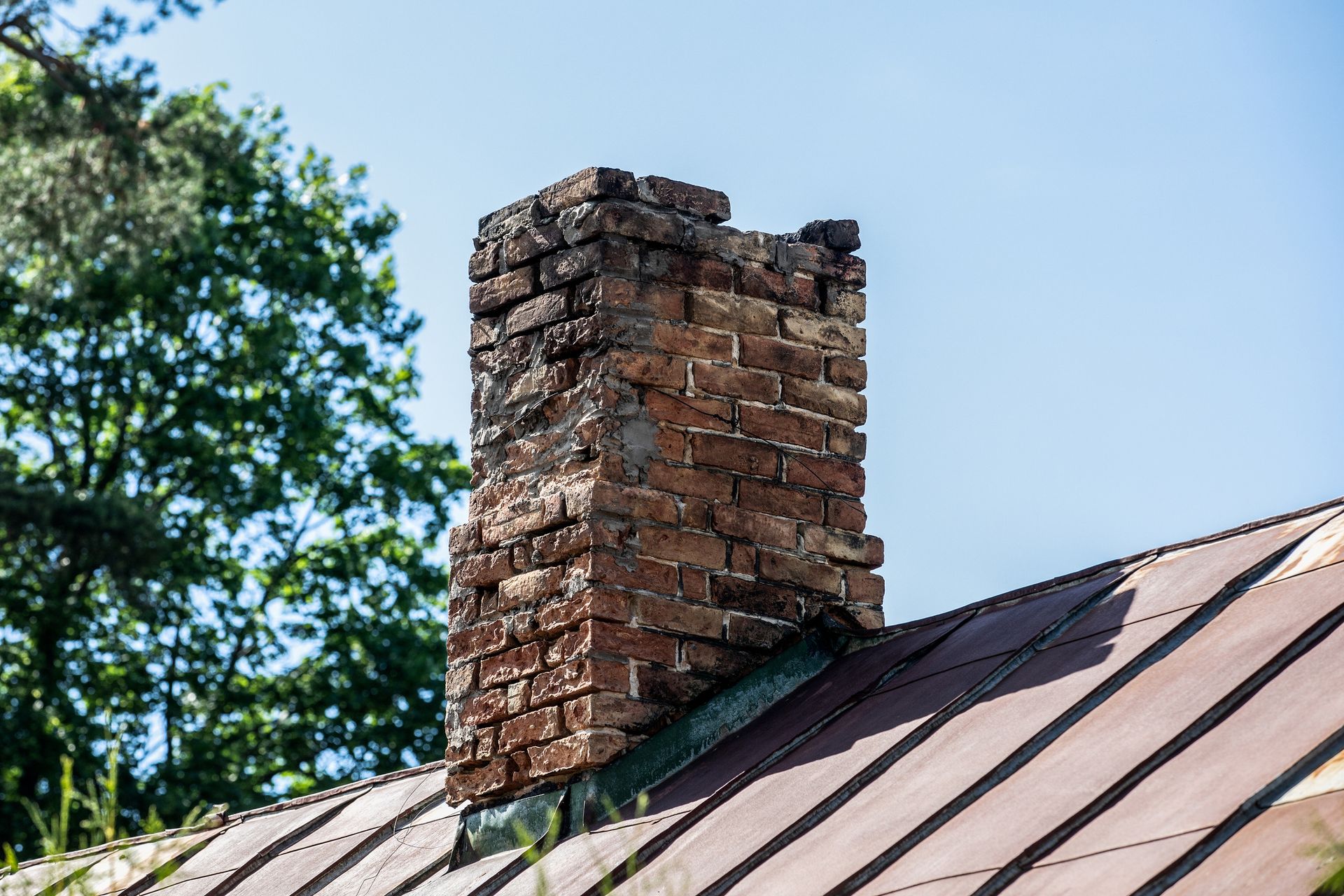
Spalling happens when the face of a brick flakes, chips, or breaks away. You may notice small fragments collecting at the chimney base or on your roof. Left unaddressed, spalling can compromise structural integrity. Repair typically involves replacing damaged brick and applying a water-repellent sealant.
Efflorescence on the Chimney Face
Efflorescence appears as white, chalky staining on brick. It forms when water moves through masonry and deposits dissolved salts on the exterior. While the stain can be cleaned, its presence confirms that water is actively moving through your chimney and needs to be stopped.
Damaged or Crumbling Mortar Joints
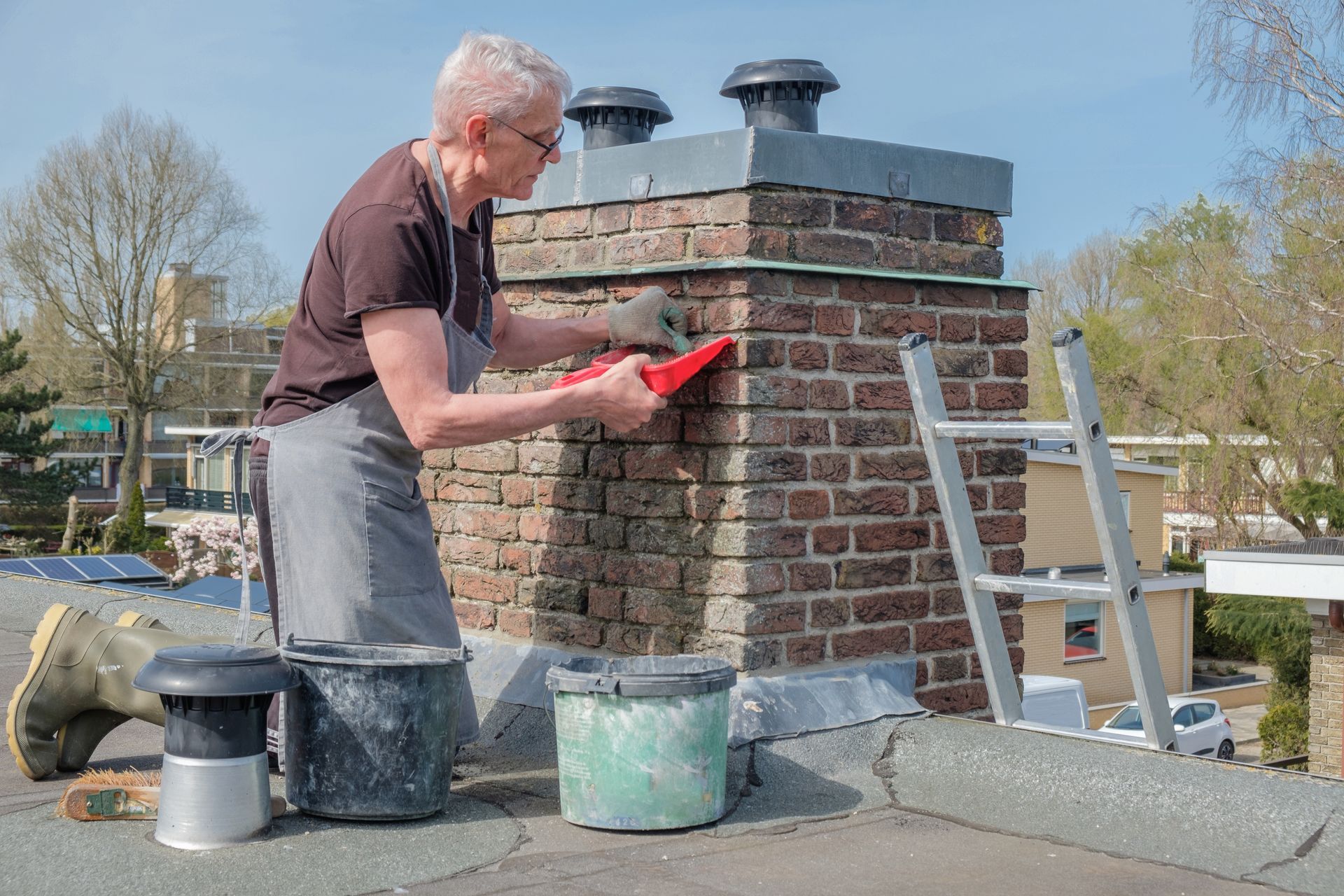
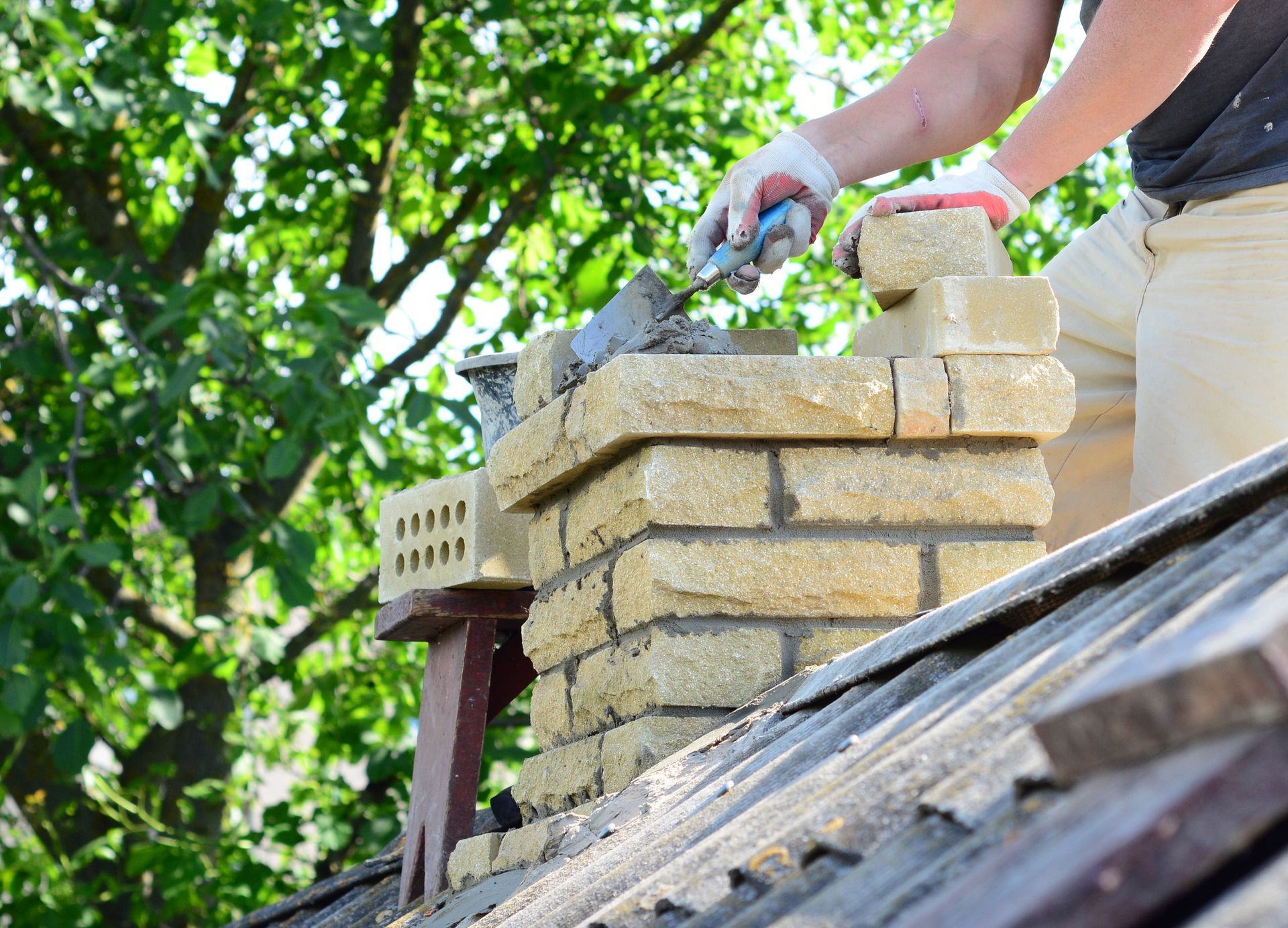
Mortar joints erode over time from rain, temperature swings, and humidity. If joints look sunken, pitted, or are missing material, the structure is losing its ability to shed water and bear load. Chimney repointing<https://www.chimneyrepairrichmond.com/repointing> removes deteriorated mortar and packs new material in its place.
Cracked or Broken Flue Tiles
The flue liner channels combustion gases safely out of the home. Cracked tiles can allow heat, carbon monoxide, and smoke to migrate into surrounding masonry or living spaces. Because this damage is not visible from outside, a professional chimney relining and inspection<https://www.chimneyrepairrichmond.com/relining-n-inspections> is essential before your first fire of the season.
Water Stains Inside the Firebox or on Nearby Walls
Staining inside the firebox, or water marks on ceilings and walls near the chimney, points to a leak somewhere in the system. The source could be a cracked chimney crown, deteriorated flashing, or gaps in the masonry. Water intrusion worsens quickly once it finds an entry point.
A Rusty Chimney Cap or Damper
A rusty cap may no longer seal properly, allowing rain and debris to fall directly into the flue. A seized or corroded damper can restrict airflow and create draft problems that make your fireplace difficult to use safely.
A Persistent Smoky Smell Indoors
A smoky or musty odor inside your home when the fireplace has not been used recently often signals a draft issue, creosote buildup, a damaged liner, or a blockage. This smell tends to be stronger on humid days, which are common through Richmond's late-summer and fall seasons.
Visible Gaps Around the Chimney Flashing
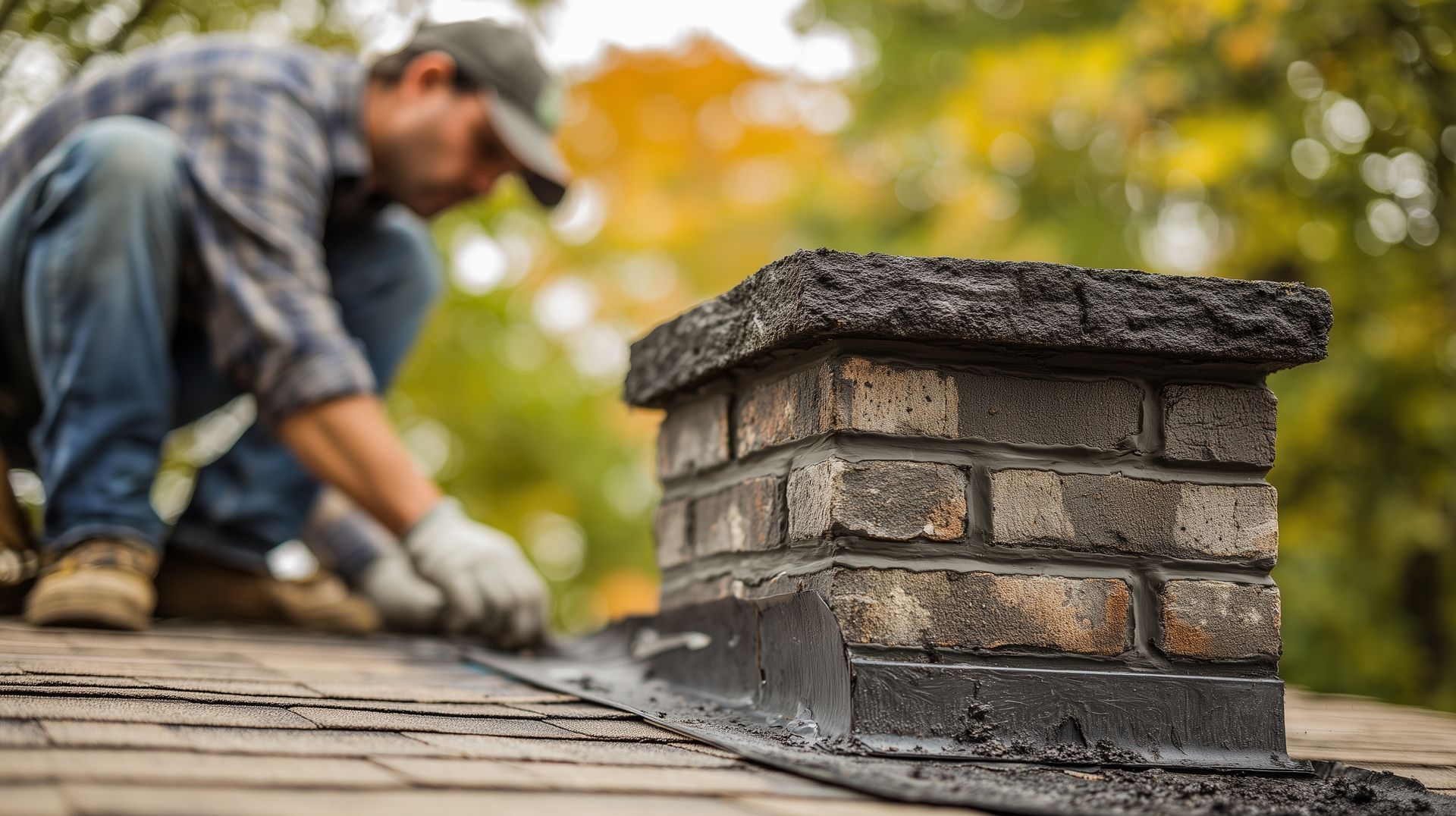
Chimney flashing is the metal seal between your chimney and roofline. When it lifts, cracks, or pulls away from the masonry, it creates a direct path for water to enter your home's structure. Look for areas where flashing appears separated, buckled, or patched with failing caulk.
When to Call a Pro vs. When to Monitor
Surface efflorescence alone can sometimes be cleaned and monitored for one more season. However, any combination of the signs above, or any single sign involving the flue liner, structural brick, or active water intrusion, warrants professional evaluation before winter 2027. Using a fireplace with undiagnosed liner damage or compromised mortar joints creates real fire and carbon monoxide risks.
Pre-Winter Seasonal Checklist
Before cold weather sets in, work through this quick checklist:
- Walk around the chimney base and look for spalled brick or mortar fragments.
- Check the chimney cap and flashing from a safe distance or from inside the attic.
- Look inside the firebox for water staining, rust, or tile debris.
- Note any smoky or musty odors on humid days in fall.
- Schedule a professional inspection if you have not had one within the past year.
Schedule Your Inspection Before the Rush
Fall inspection slots fill quickly across Richmond, VA, as homeowners prepare for the heating season simultaneously. Acting before demand peaks gives you more scheduling flexibility and more time to complete chimney repair before temperatures drop.
Golden's Chimney Lining has been serving Richmond, VA, with professional chimney repair, relining, repointing, and inspection services since 1979. If you spotted any of the signs above, contact the team to schedule your inspection. Call (804) 994-0123 today and get your chimney assessed by experienced local professionals before winter 2027 arrives.