Signs Your Richmond, VA, Chimney Needs Repair Before Winter 2026
Richmond, VA, homeowners who use a fireplace should know the key chimney repair warning signs before winter 2026 arrives. Catching a problem early can prevent safety hazards and far more expensive work down the road. Richmond's climate adds extra stress to masonry: hot, humid summers followed by cold winters create repeated freeze-thaw cycles that can crack mortar, split brick faces, and drive moisture deep into a chimney's structure. The sections below cover the most common warning signs, explain why each matters, and outline when it is time to call a professional for chimney repair in Richmond, VA.
Spalling Bricks on the Chimney Exterior
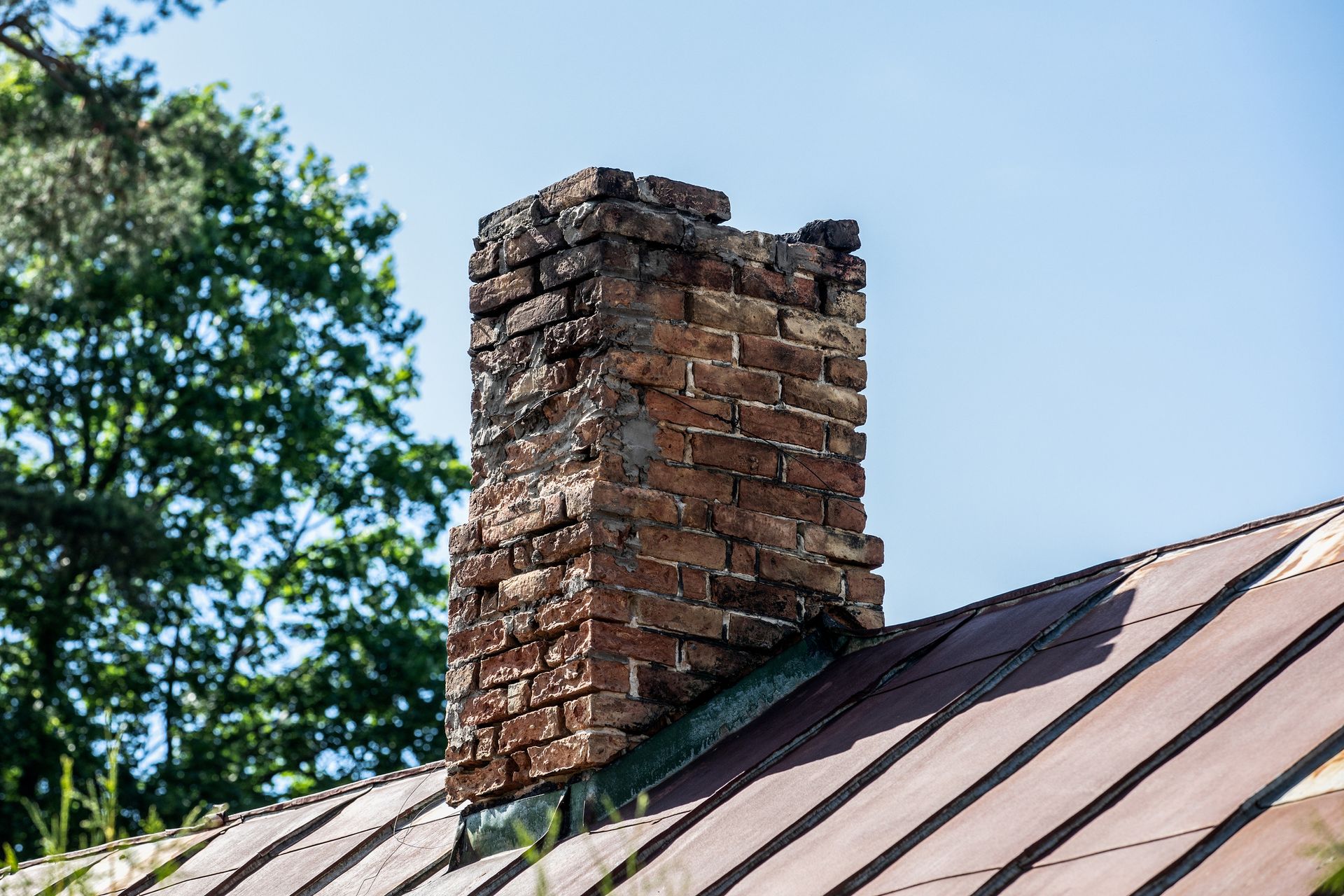
Spalling happens when brick faces flake, pop, or break away from the chimney. Richmond's humidity allows water to soak into brick during warmer months. When temperatures drop below freezing in winter, that trapped water expands and forces the brick surface to crack and separate. If you notice brick fragments collecting at the base of your chimney or on your roof, that is a clear sign the masonry is failing. Left unaddressed, spalling can accelerate rapidly and compromise the chimney's structural stability.
What Does Efflorescence Tell You?
Efflorescence is the white, chalky staining that sometimes appears on brick or mortar. It forms when water moves through masonry and deposits minerals on the surface as it evaporates. Efflorescence itself does not cause structural damage, but it is a reliable indicator that water is actively penetrating the chimney. Seeing this staining is a signal to schedule an inspection before winter moisture intrusion becomes a larger problem.
Crumbling or Missing Mortar Joints
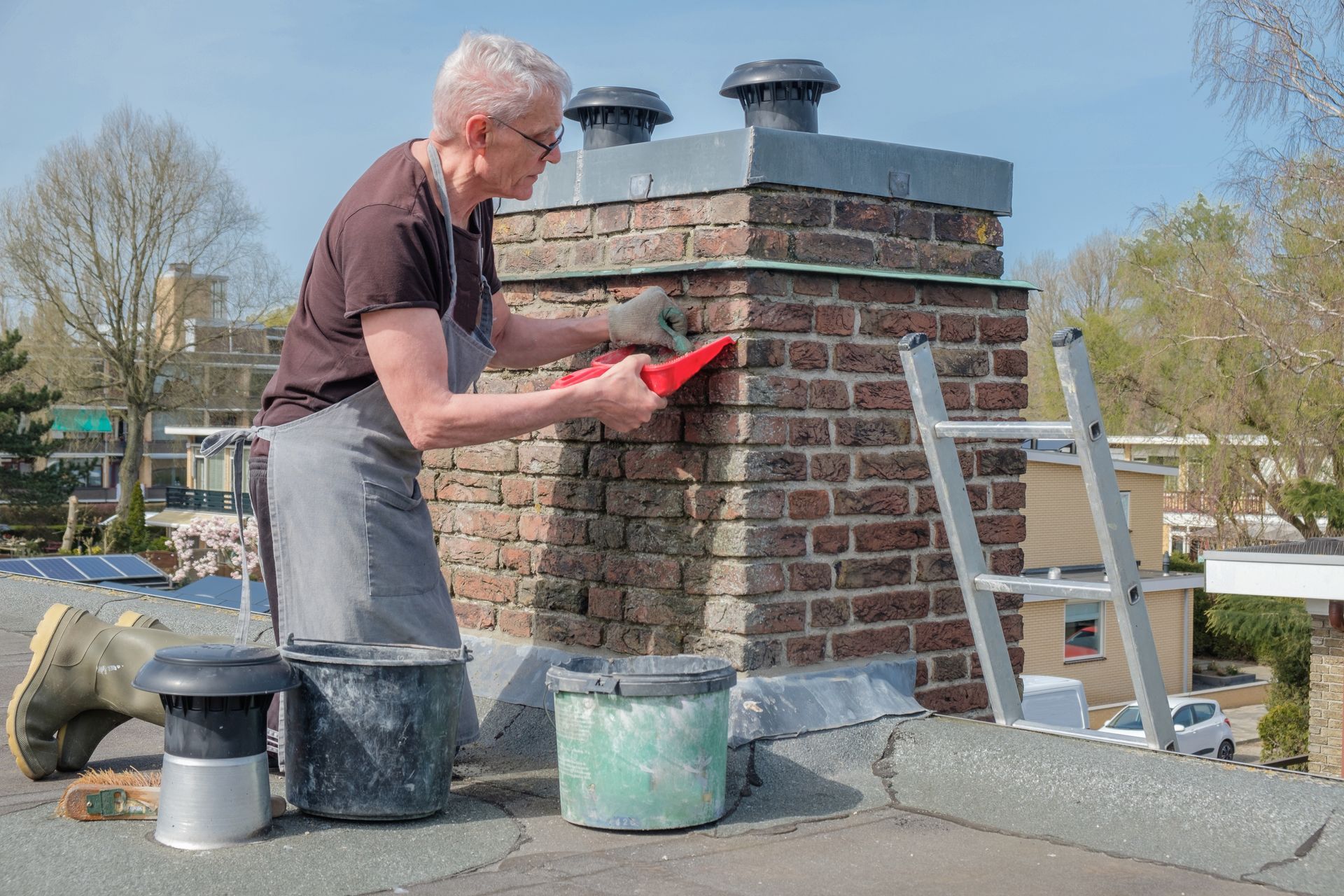
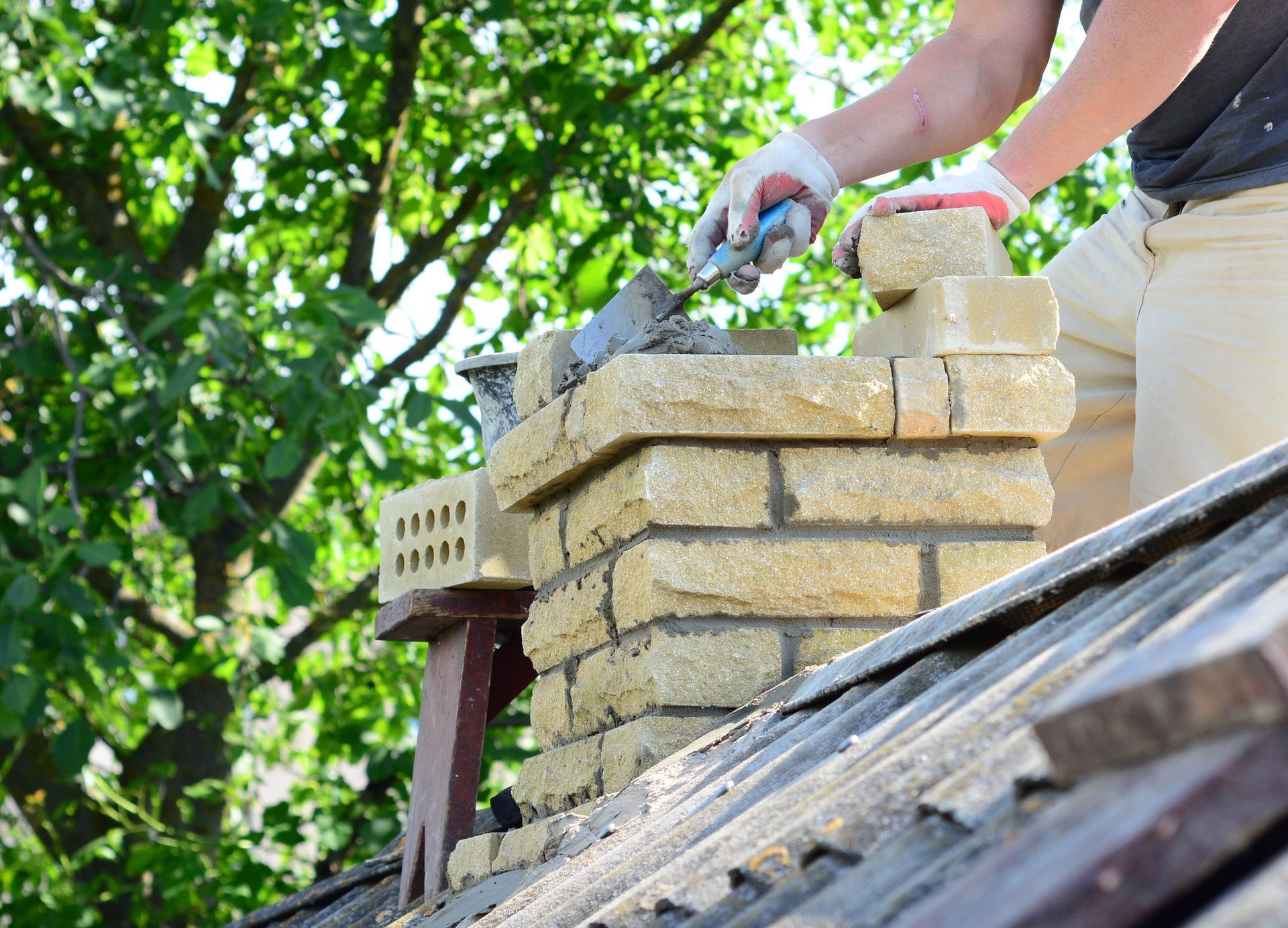
Deteriorating mortar is one of the most common issues found during chimney inspections in Central Virginia. Mortar joints are the thin layers of material between each brick, and they can erode over years of weather exposure. Once mortar weakens, water can enter the chimney structure more easily and cause bricks to shift or loosen. Tuckpointing, the process of removing old mortar and applying fresh material, can restore the joint and extend the chimney's service life considerably.
How Does a Damaged Chimney Crown Contribute?
The chimney crown is the concrete or mortar cap that covers the top of the chimney structure around the flue opening. A cracked or crumbling crown allows rainwater to run directly into the masonry below, speeding up deterioration through every season. Richmond's spring rain season and summer humidity make crown integrity especially important. Visible cracks across the crown surface should be treated before cold weather widens those cracks further.
Smoke Backdraft and Poor Draft Performance
A chimney should draw smoke up and out of the home efficiently. If smoke backs up into a room when the fireplace is in use, something is interfering with the draft. Possible causes include a blocked or damaged flue liner, a deteriorated smoke chamber, or a flue that is not properly sized for the appliance. Backdraft is both an air quality concern and a potential carbon monoxide hazard, so it warrants prompt professional chimney repair attention.
Can a Damaged Chimney Cause Carbon Monoxide Poisoning?
Yes, a damaged chimney can contribute to carbon monoxide buildup inside a home. When combustion gases cannot exit properly through a compromised flue, they can spill into living spaces. Carbon monoxide is odorless and colorless, which makes it especially dangerous. Installing a carbon monoxide detector near the fireplace is a basic precaution, but it does not replace having the flue inspected and repaired by a qualified technician.
Water Stains Near the Fireplace
Water stains on walls or ceilings near the firebox often indicate that the chimney flashing has failed. Flashing is the metal seal between the chimney and the roof, and it can loosen, rust, or crack over time. Richmond's summer storm season puts significant water volume on rooflines regularly, and compromised flashing may not reveal itself until the damage has already spread. Staining inside the firebox itself can also point to a cracked flue liner allowing moisture to seep through.
Why Does a Chimney Lean or Separate?
A chimney that appears to be tilting or pulling away from the main house structure is a serious structural concern. This can result from foundation settling, significant mortar erosion, or prolonged water damage to the base. In older Richmond neighborhoods like Church Hill or the Fan District, historic chimneys may have been constructed with softer brick and lime mortar that degrades differently than modern materials. A chimney leaning visibly away from the roofline needs professional assessment without delay.
What Happens if These Signs Are Ignored?
Ignoring chimney damage often leads to significantly larger repair projects. Minor mortar erosion can progress to spalling bricks; a cracked crown can eventually allow enough water intrusion to require full masonry section rebuilds; and a compromised flue liner can create fire risk or carbon monoxide exposure. Addressing these issues before each winter heating season is far more practical and economical than dealing with compounding failures mid-winter.
Schedule Your Inspection Before Winter 2026
Golden's Chimney Lining serves Richmond, VA, homeowners with chimney repair services built on decades of hands-on experience in Central Virginia. Whether the issue is spalling brick, mortar erosion, flashing failure, or a cracked flue liner, its certified technicians can assess the condition of your chimney and recommend the right course of action. Do not wait until the first cold night of the season to discover a problem.
Request a professional chimney inspection today, or explore the full range of
chimney repair and masonry restoration services
available. Call
804-994-0123 to schedule your appointment and head into winter 2026 with confidence.